Our Vision
Holistic development for tribal families — where women lead with dignity, communities thrive through collective action, and sustainable livelihoods create lasting opportunity.
Tribal women-led. Community-driven. Since 2015.
A tribal women-led organisation working across 32 villages in Pali and Udaipur — uniting 5,000 members for dignity, livelihoods and lasting change.
Ghoomar Mahila Samiti (GMS) is a tribal women-led organisation operating in the Bali block of Pali, Rajasthan. We work across 27 villages of Pali District and 5 villages of Udaipur District.
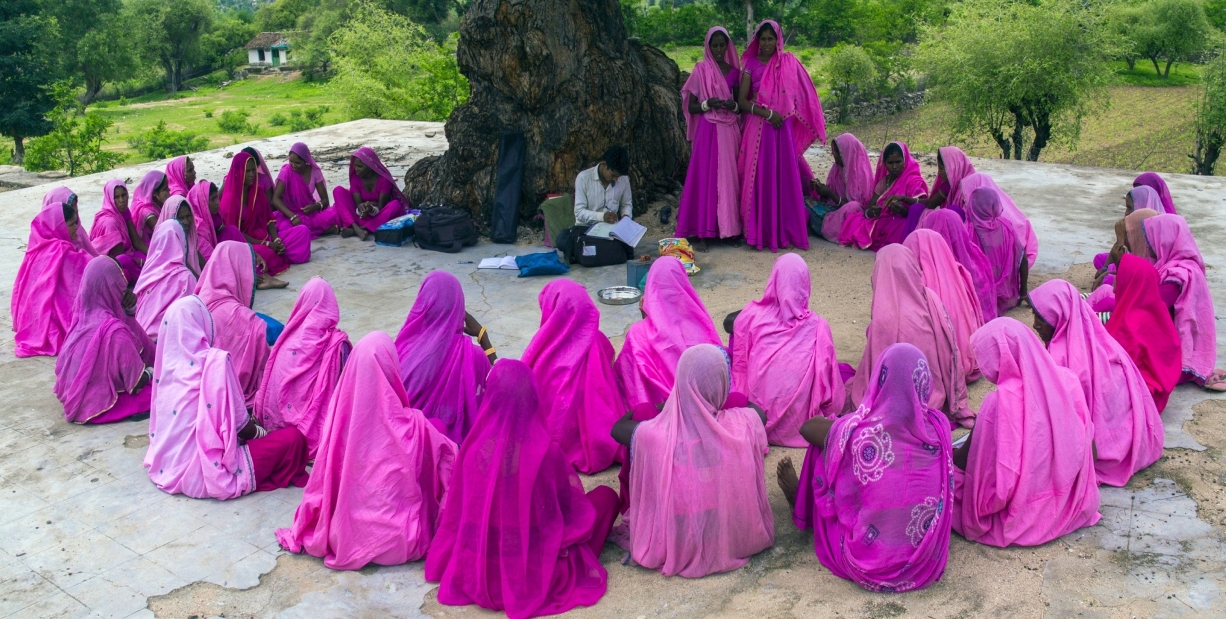
Since our inception in 2015, GMS has united 5,000 members with the vision of fostering holistic development for tribal families. Our initiatives have been transformative across governance, agriculture, education, health, livelihoods and financial inclusion — highlighting the power of community-driven change.
Holistic development for tribal families — where women lead with dignity, communities thrive through collective action, and sustainable livelihoods create lasting opportunity.
To strengthen tribal women and rural communities through leadership, livelihoods, natural resource-based enterprise, education, health awareness, financial inclusion and community-led institutions.
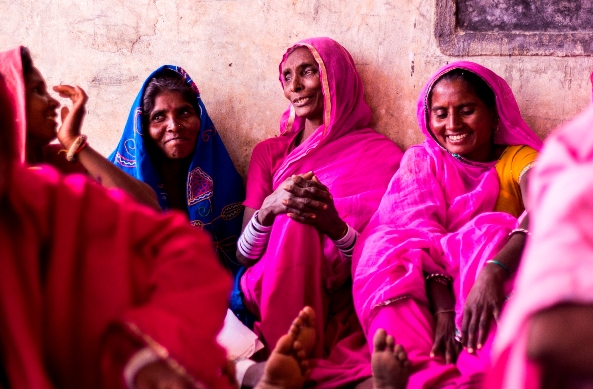
From forest produce enterprises to livestock, governance and financial inclusion — our work is rooted in tribal women's leadership.
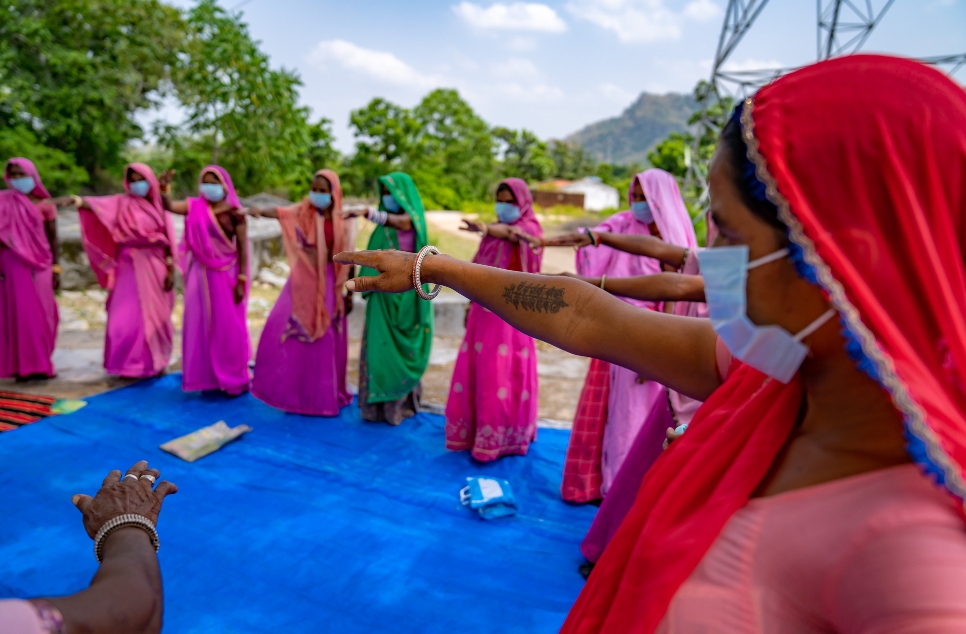
We strengthen women's leadership in households, SHGs and Gram Panchayats. Leadership training has helped elected women Sarpanchs — like Rinku Devi of Thandiberi — exercise authority independently and participate actively in local governance.
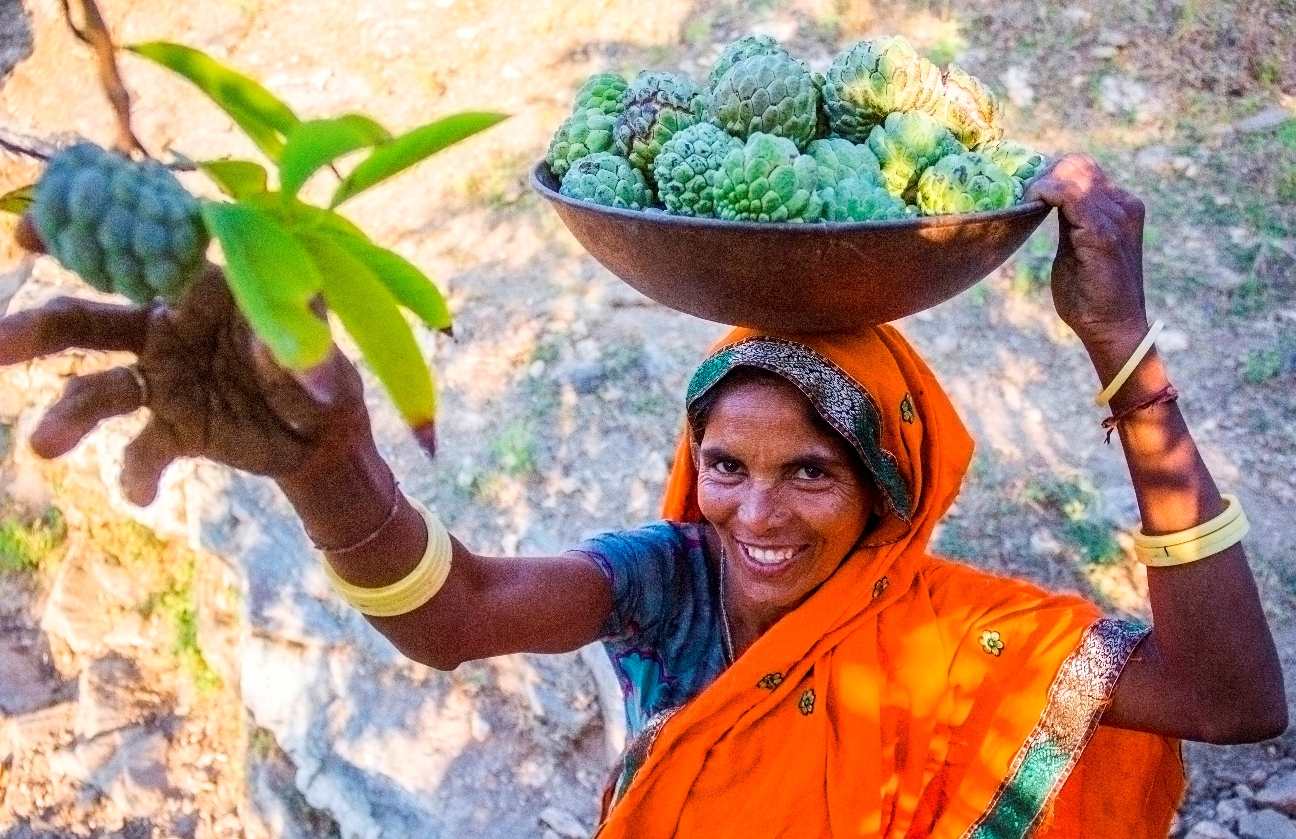
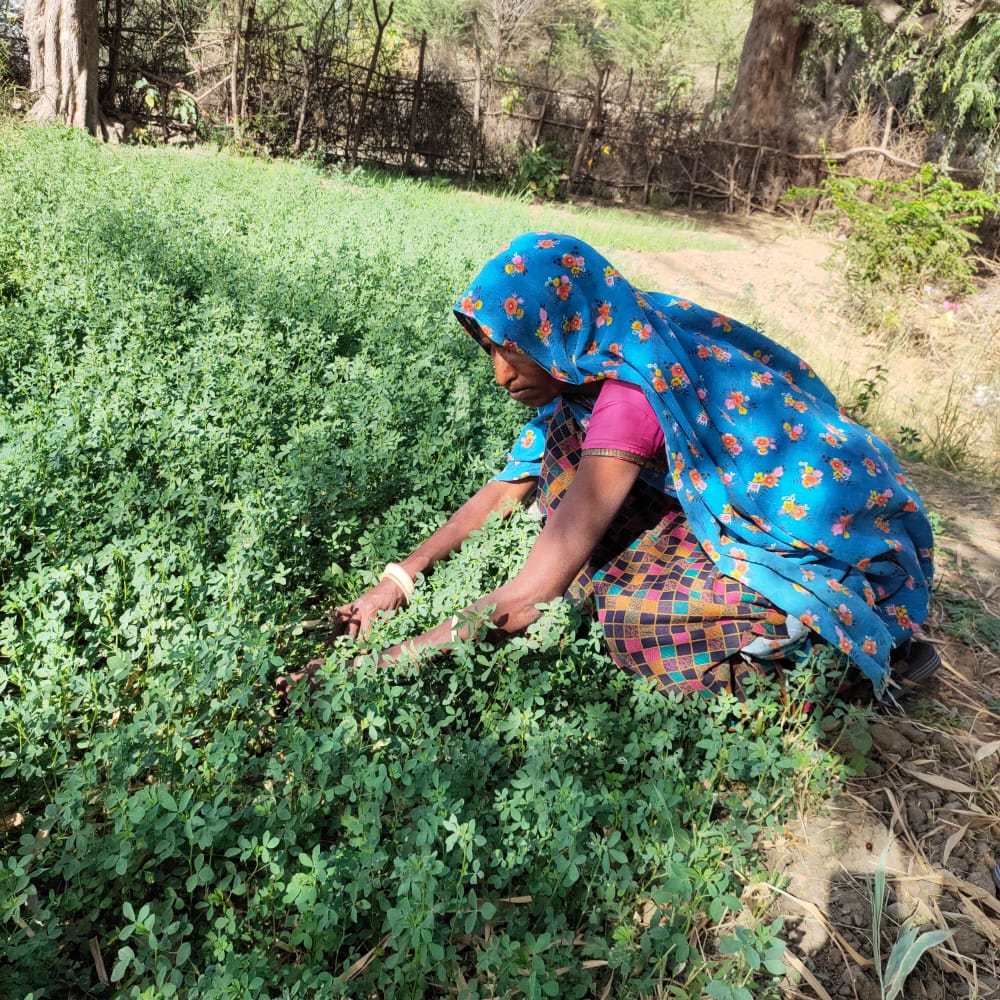
Through agriculture and health awareness, families have moved beyond maize chapatis and chili chutney to kitchen gardens, diverse vegetables, better nutrition, and surplus produce sold for additional income.
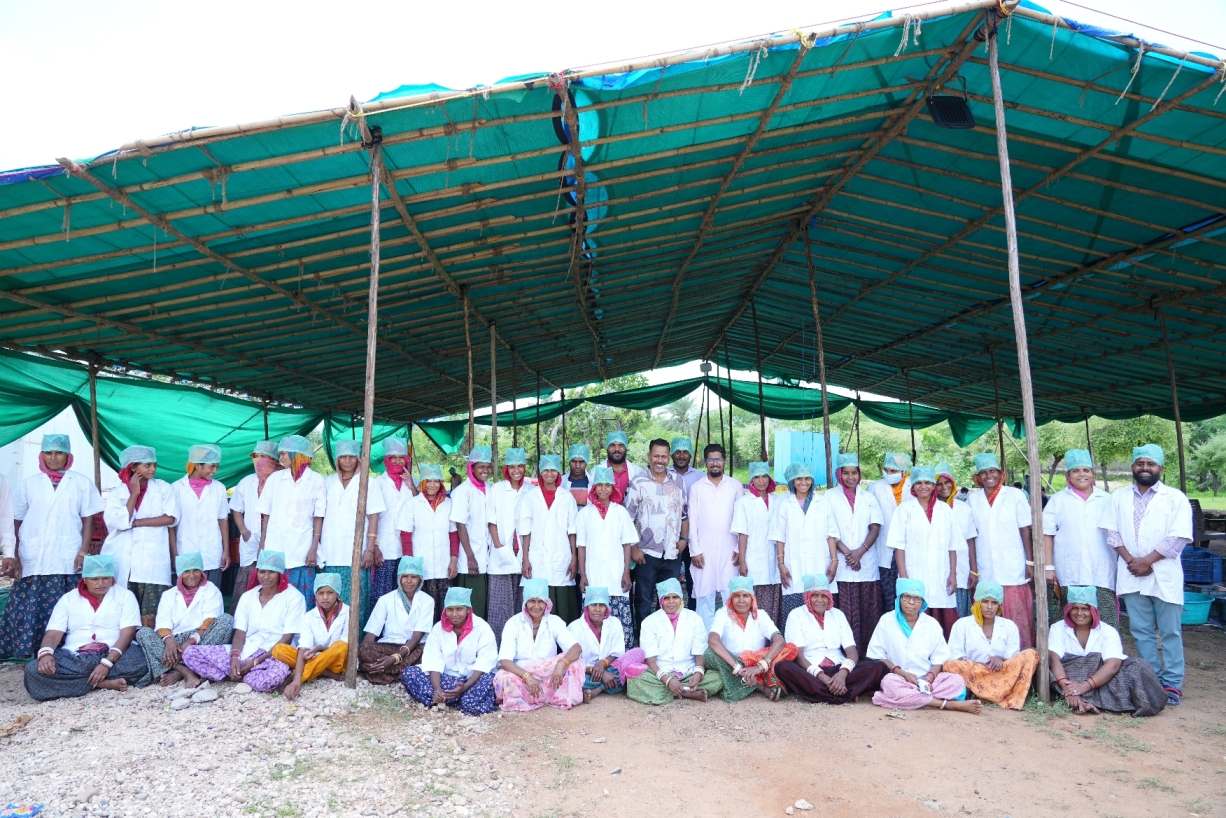
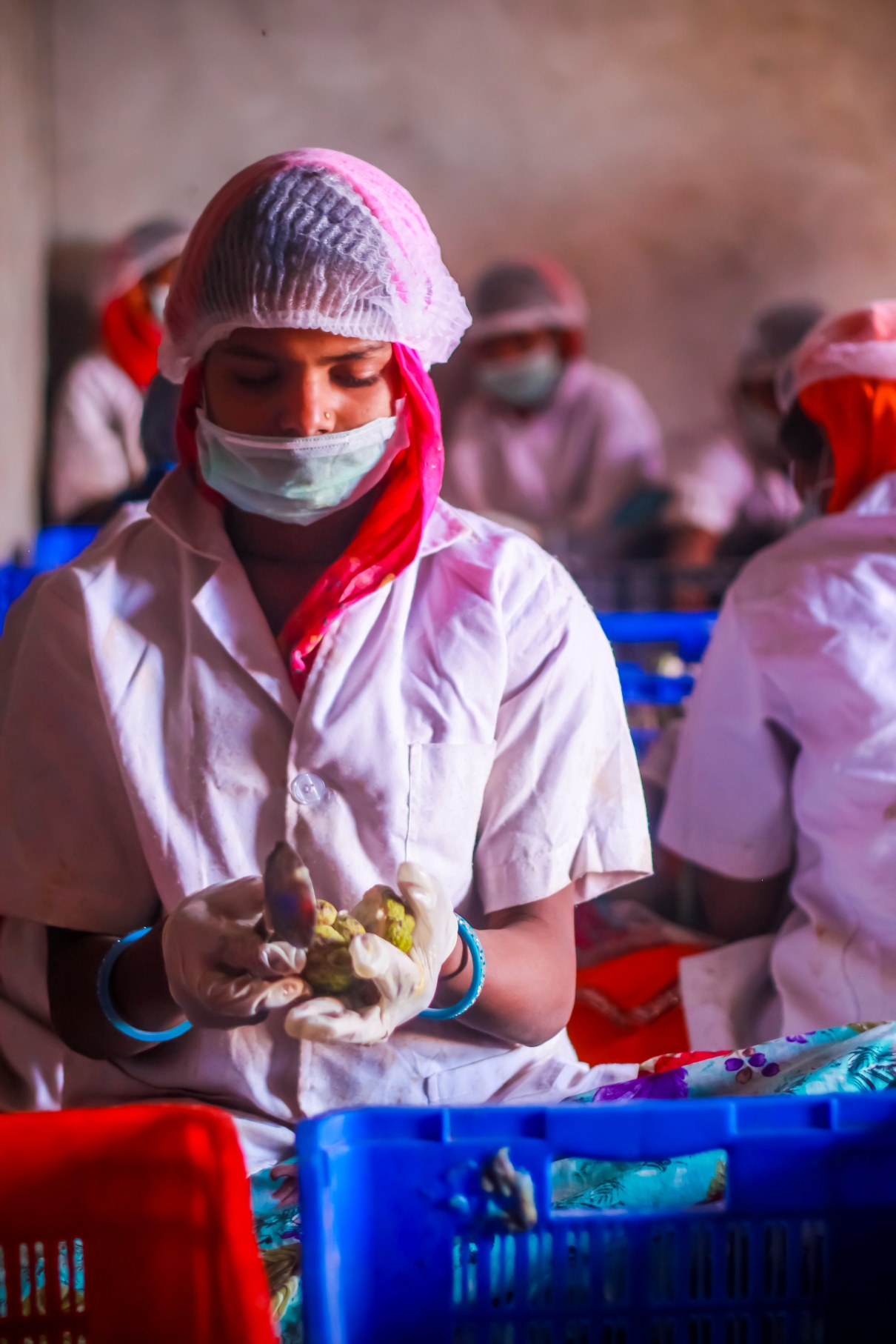
Founded in 2015 with 2,000 shareholders, the FPC specialises in non-timber forest products — custard apple pulp, jamun pulp, ber sticks, herbal gulal and biodegradable plates — providing year-round employment and ₹40,000–50,000 average annual income per family.
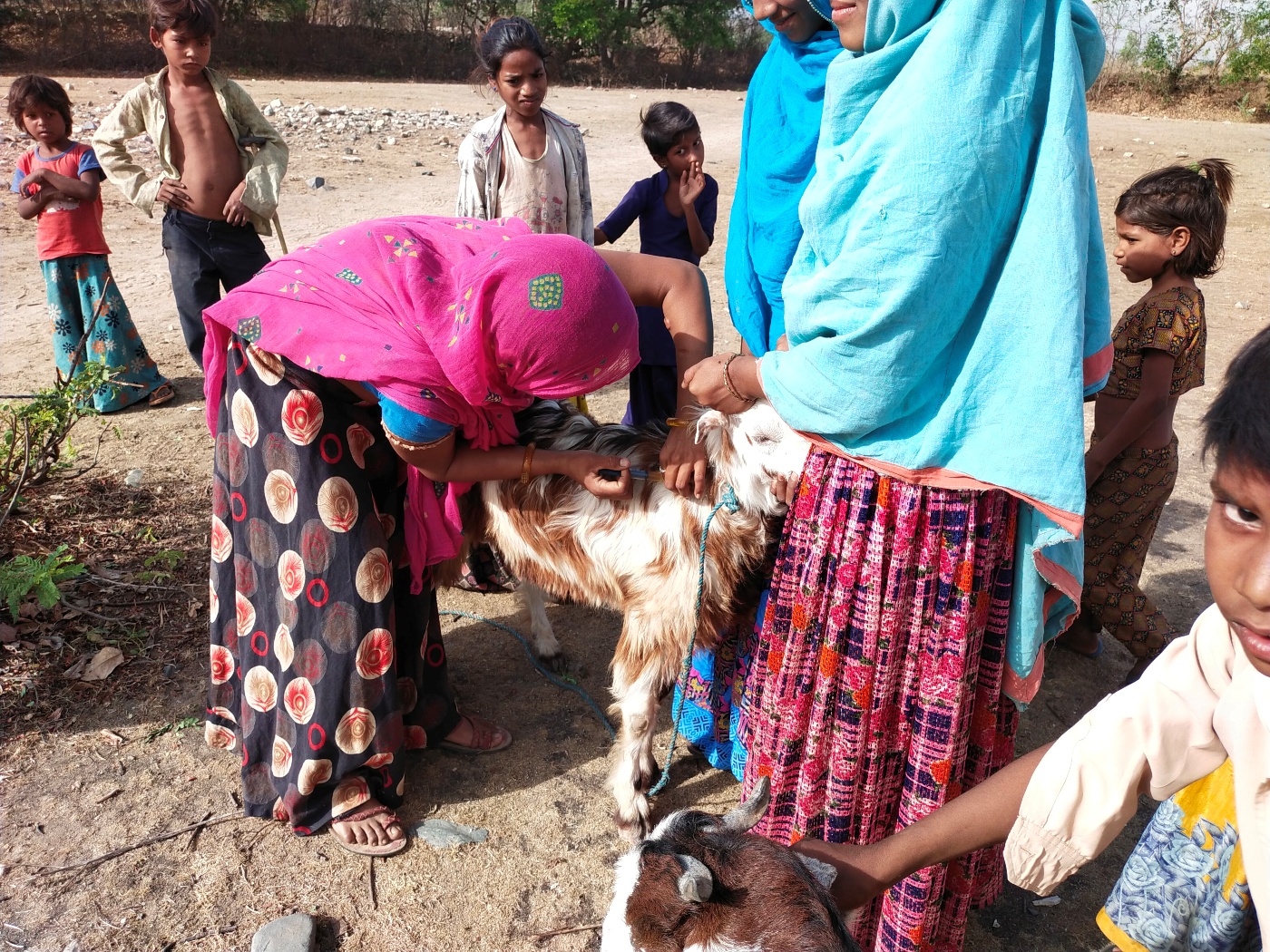
Our LEDP programme trains members in goat disease management, hygiene, reducing mortality and improving buck weight. Mortality has fallen from 25% to 15%, average goat weight has risen by 5–7 kg, and rearers earn about ₹12,000 more annually.
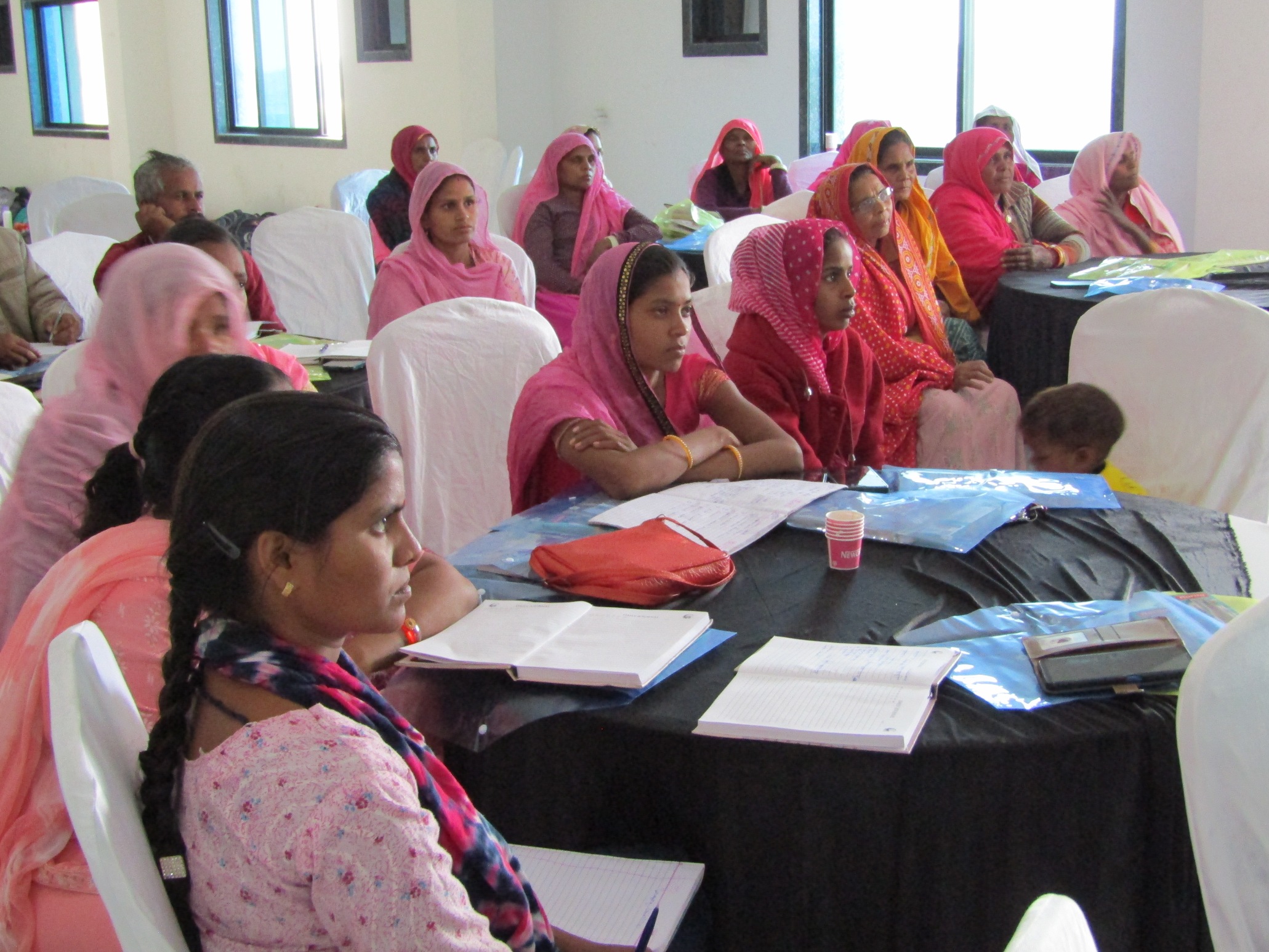
With NABARD and SRIJAN, a Rural Haat in Koyalwav gives local vendors a monthly marketplace. A Business Correspondent point supported by RMGB strengthens financial inclusion for rural women.
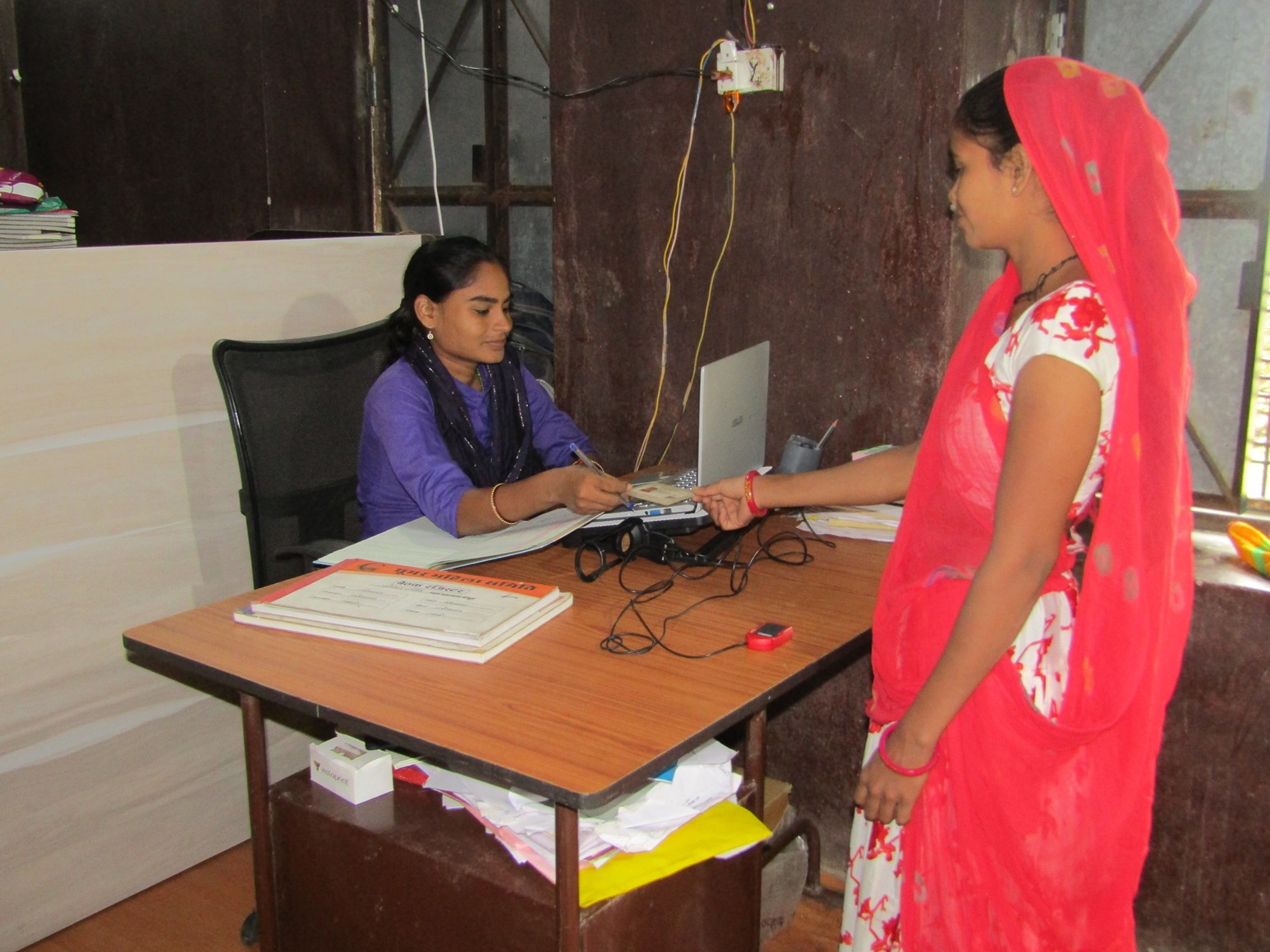
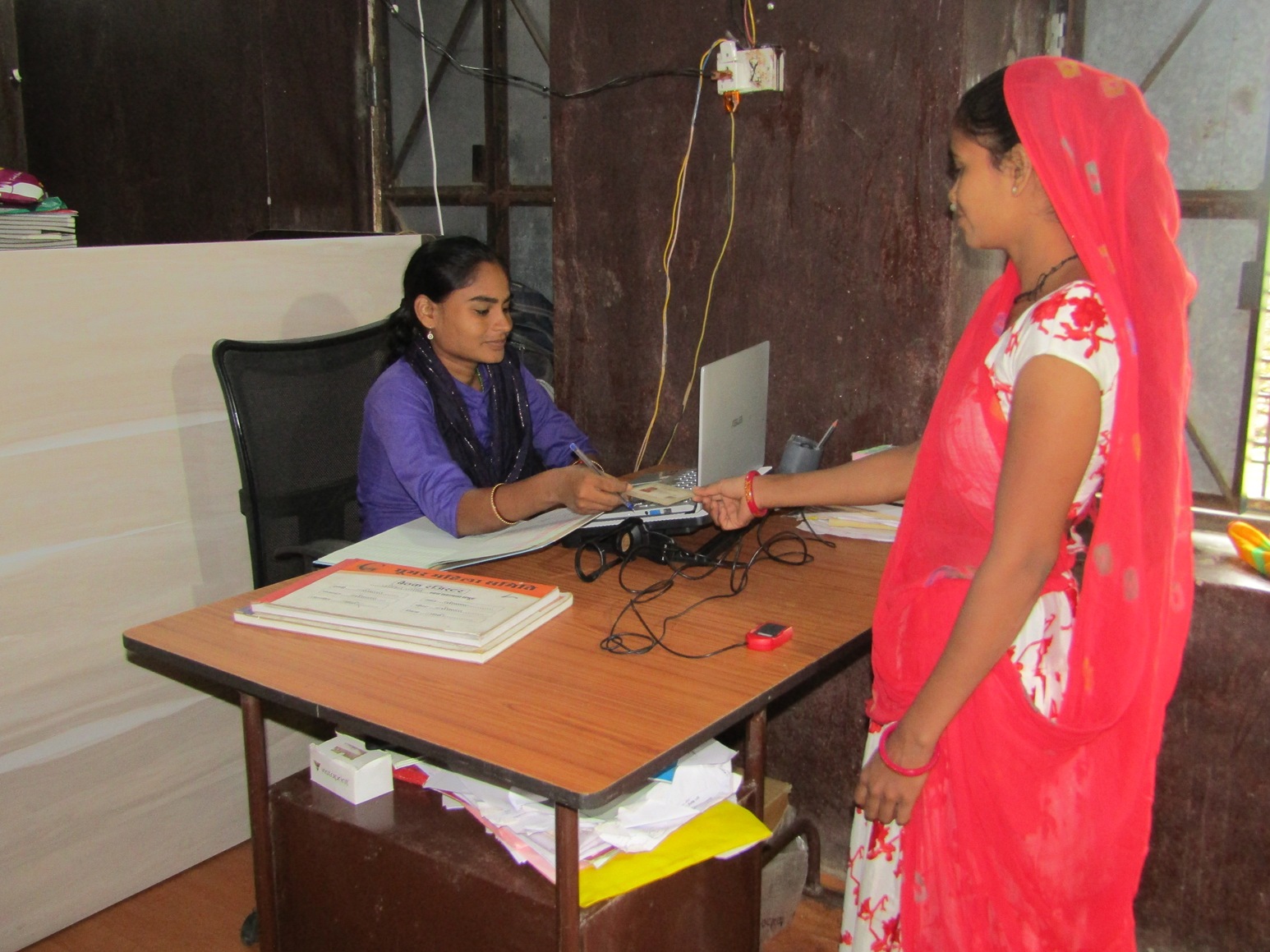
The centre provides banking services, legal consultations and eMitra/CSC facilities — reducing costly trips and language barriers. Over two years it facilitated transactions worth ₹1.3 crore and served 2,000 members.
Development works best when communities are active participants — not passive beneficiaries.
We work with community members, SHGs, local institutions, government agencies, NABARD, WHO, SRIJAN, RMGB and other partners to build solutions that are locally relevant and lasting.
Community-driven change across governance, livelihoods, health, education and enterprise — led by tribal women.
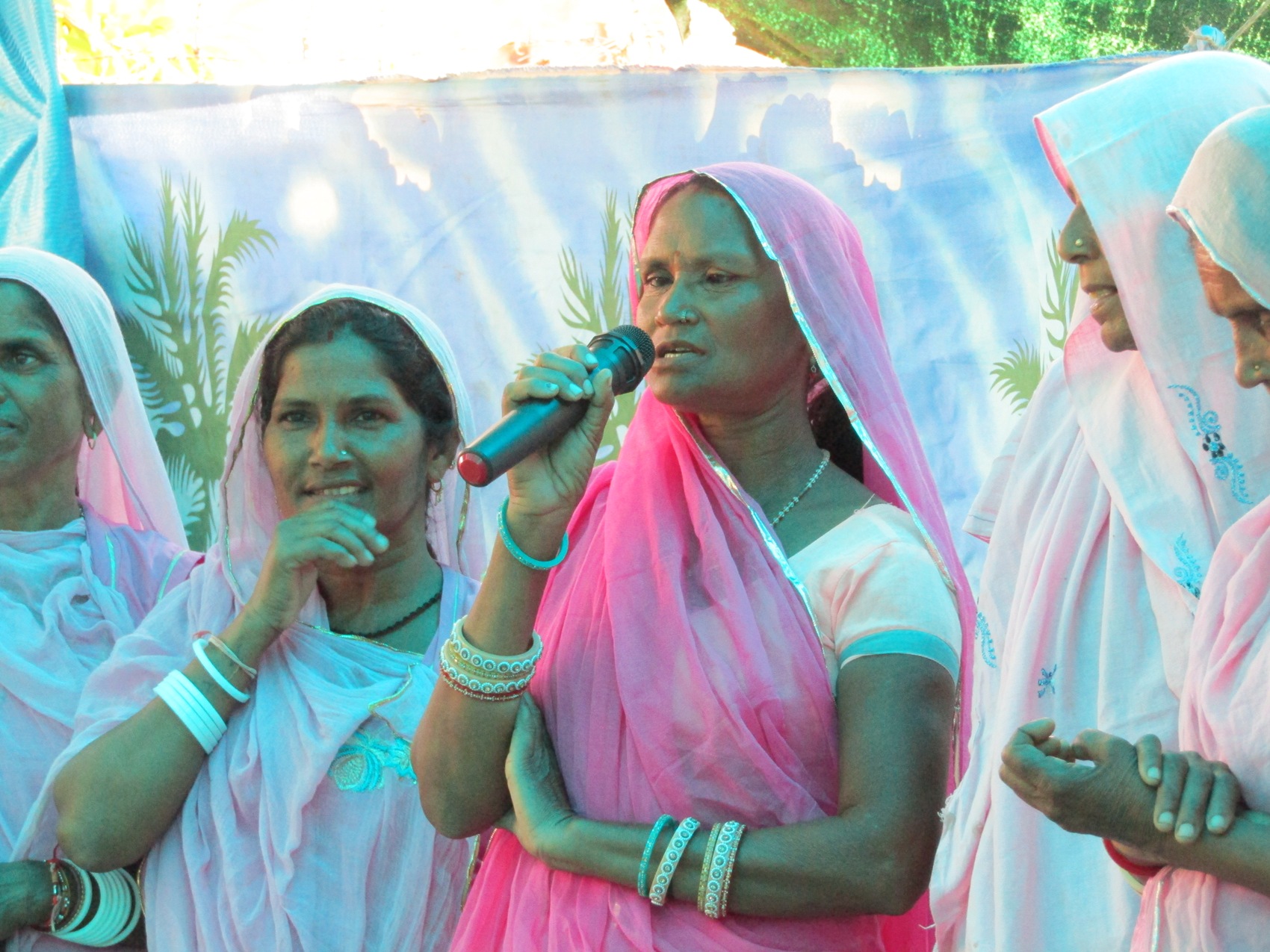
Initially, women elected as Sarpanchs seldom exercised their authority, often overshadowed by male relatives. GMS leadership training changed this. Rinku Devi, an SHG member and Sarpanch of Thandiberi, now actively participates in Gram Panchayat meetings and independently manages her responsibilities.
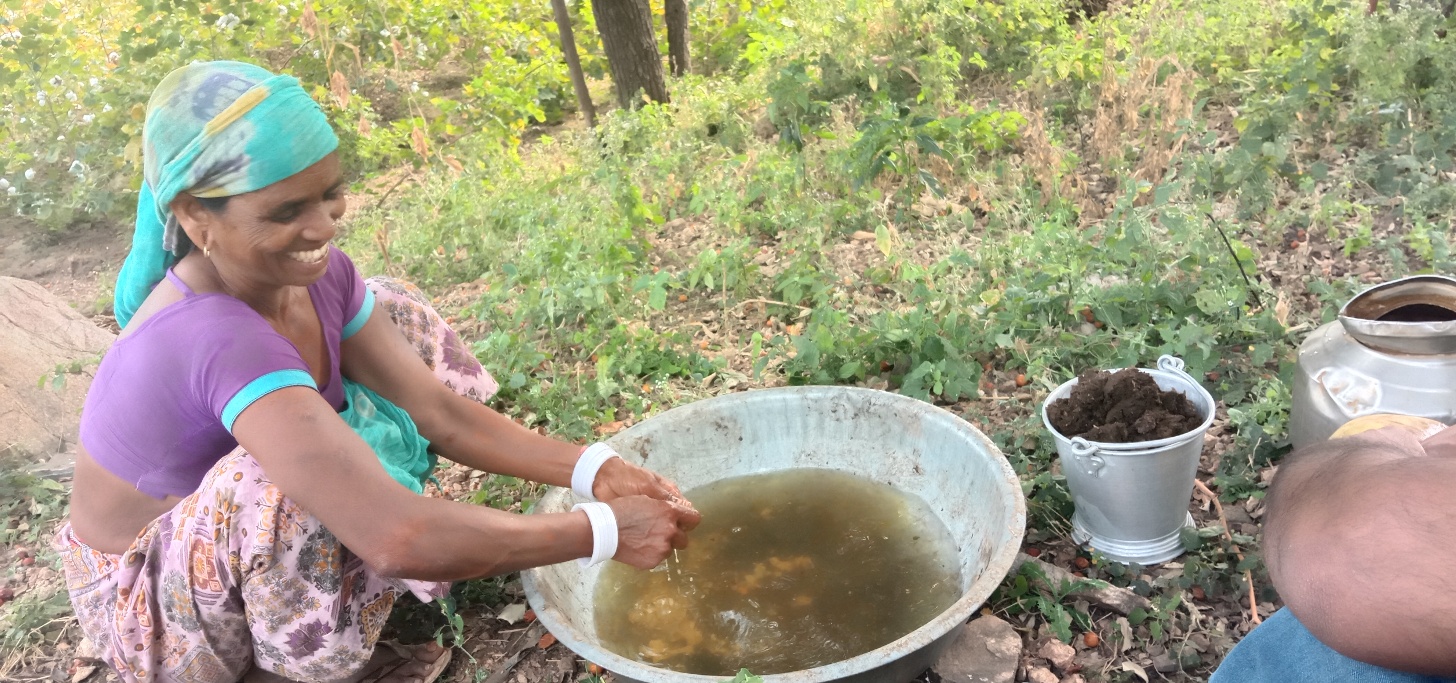
When GMS began, local diets were limited to maize chapatis and chili chutney. Through agriculture and health awareness, many families now cultivate kitchen gardens, eat a variety of vegetables, and sell surplus produce for additional income.
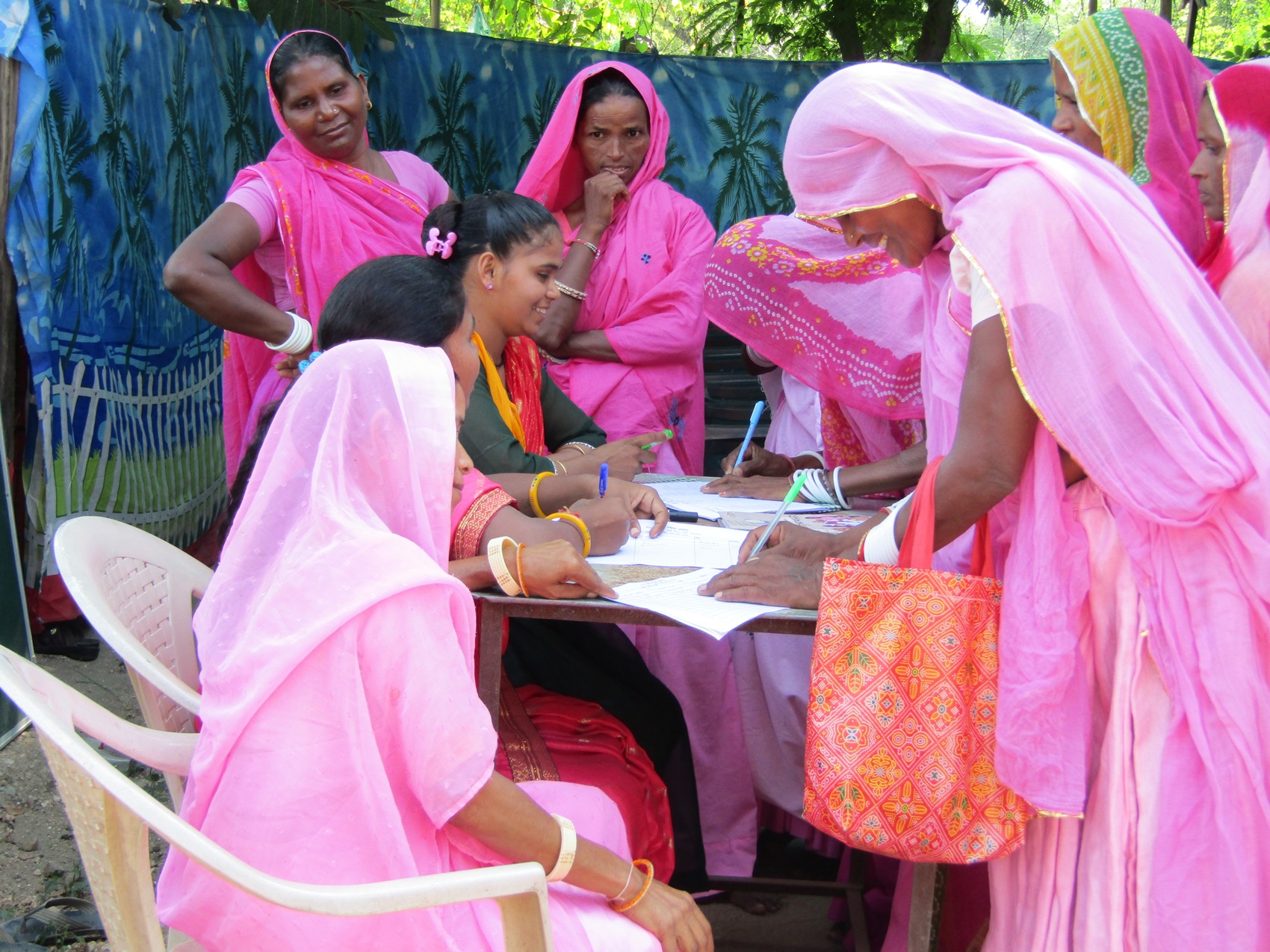
Illiteracy was once prevalent among members. Today, girls' school enrolment has increased significantly, and all members have learned to sign their names — replacing thumb impressions in meetings.
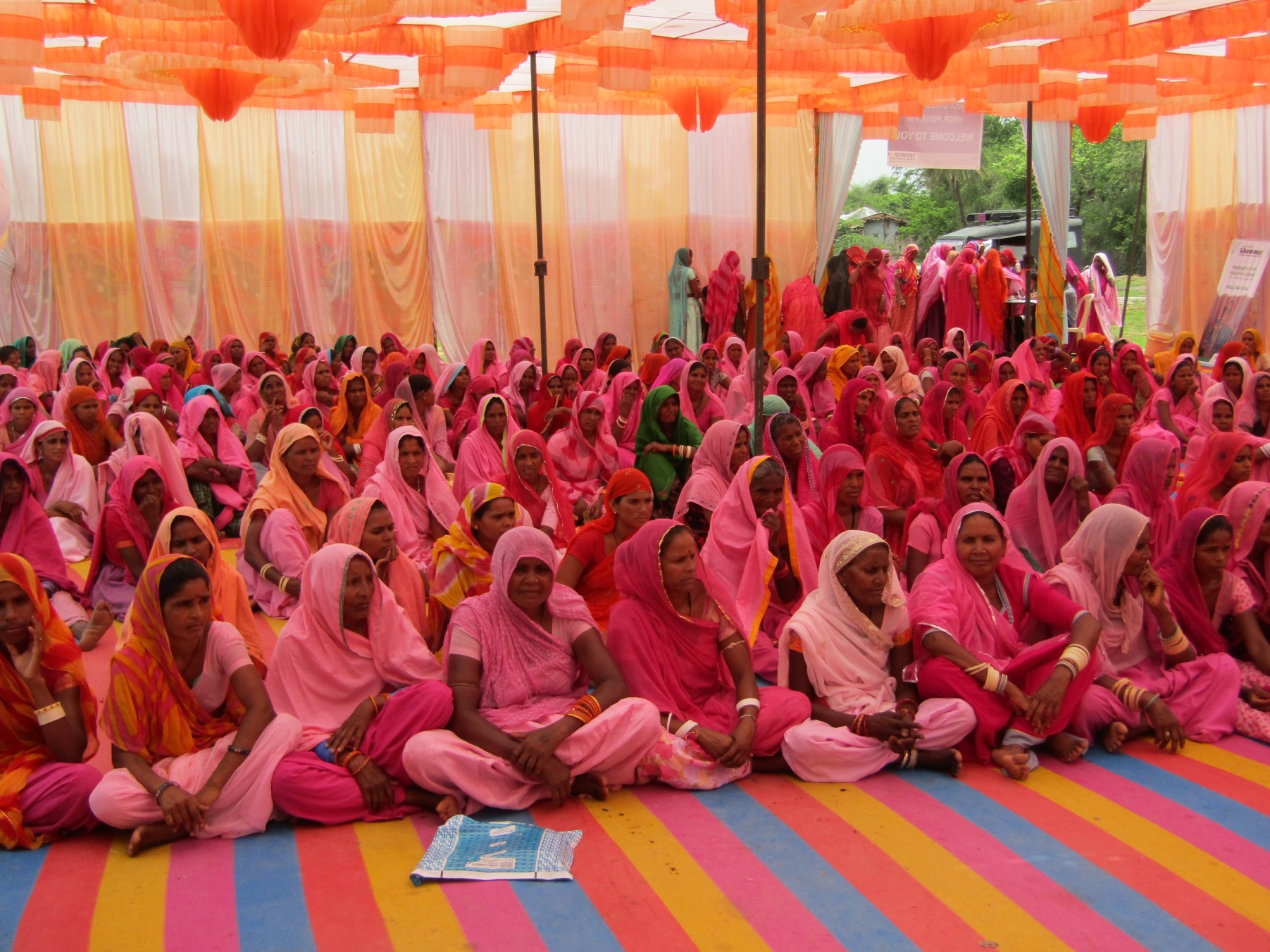
GMS organised a 20 km walk rally to draw government attention to alcohol's harm. Alcohol consumption among SHG families has fallen from nearly 90% to minimal levels. Members have ceased home-brewing and selling alcohol.
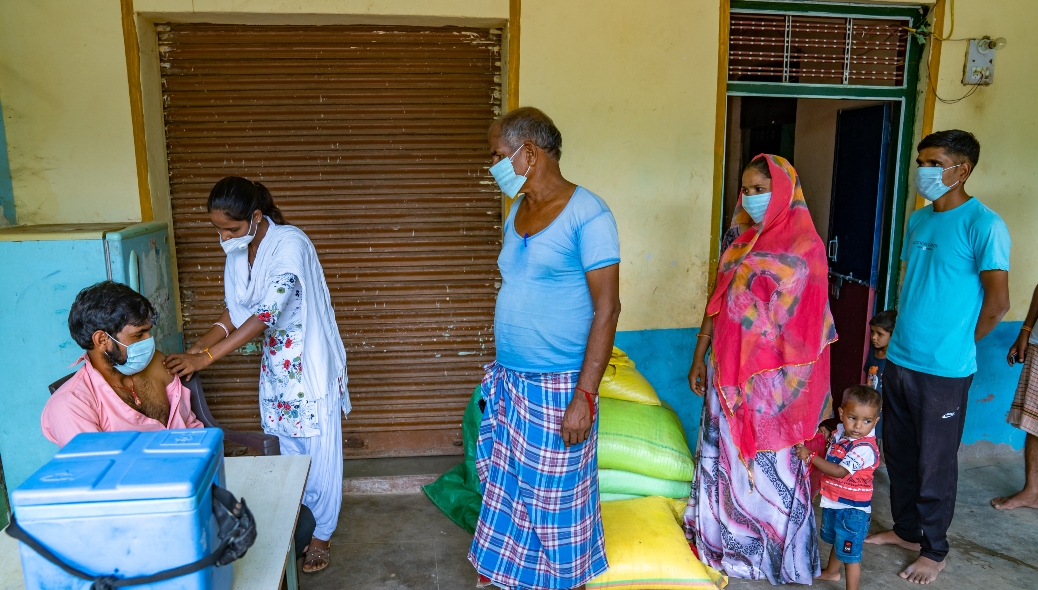
GMS distributed 500 ration kits (₹1,200 each) from its corpus. With WHO, an awareness campaign of wall paintings, mic announcements and door-to-door outreach raised vaccination rates from below 10% to 85%.
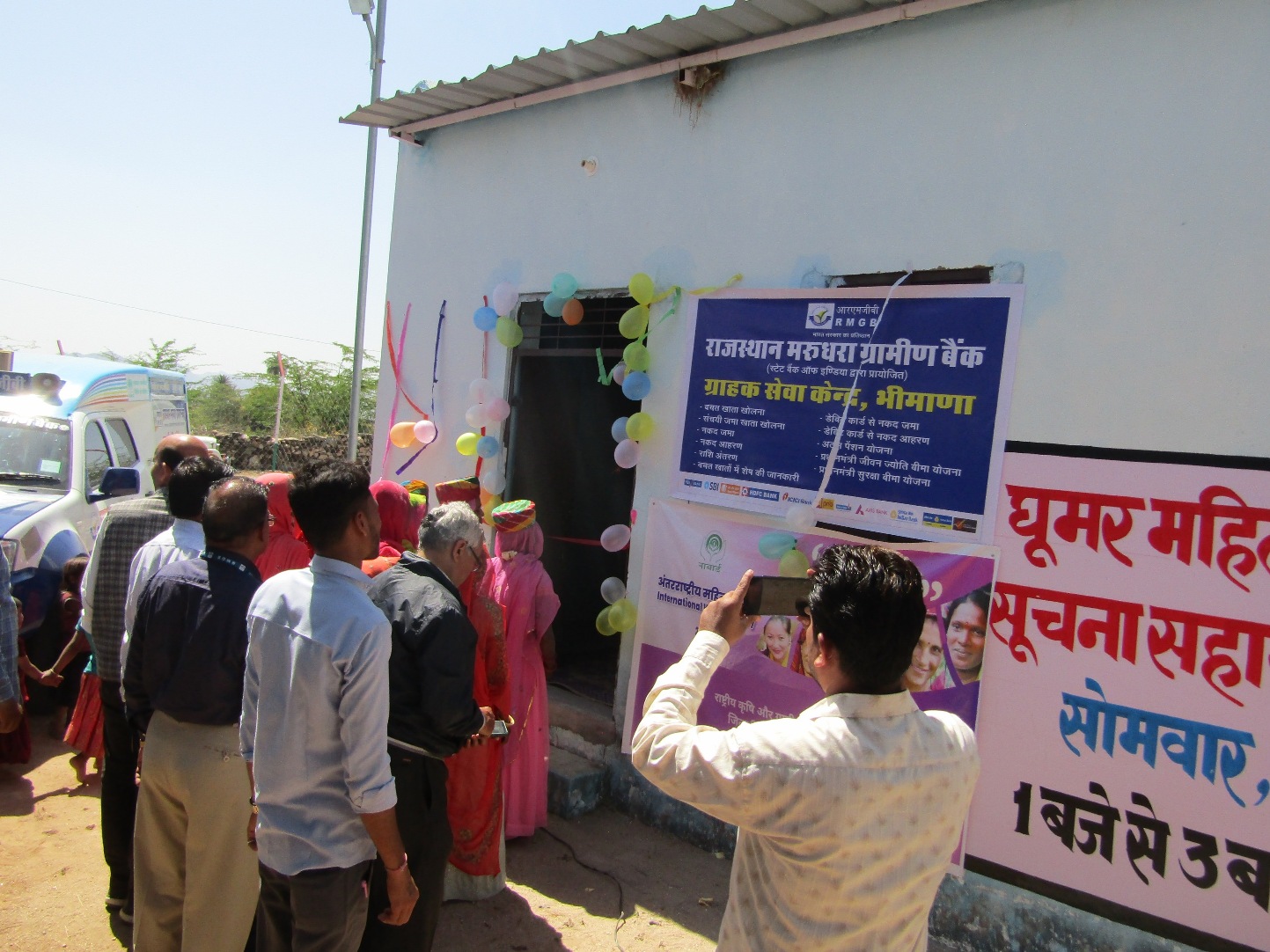
Banking and administrative work once meant multiple costly trips. The Information Center now offers banking, legal consultations and eMitra/CSC services — facilitating ₹1.3 crore in transactions and serving 2,000 members over two years.
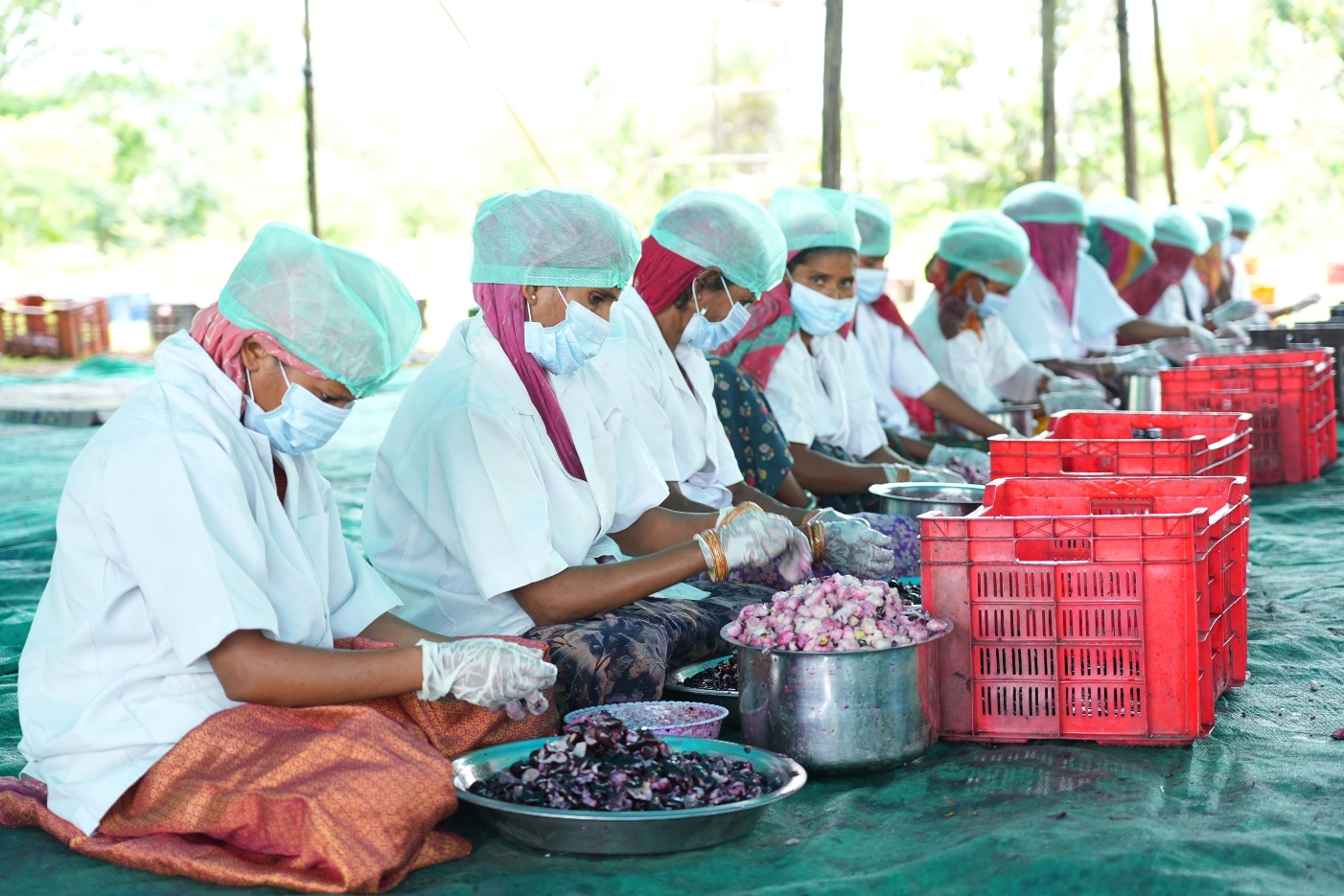
With 2,000 shareholders, the FPC processes NTFP including custard apple pulp, jamun pulp, ber sticks, herbal gulal and biodegradable plates. It employs 2,000 families year-round (₹40,000–50,000 average income). In FY 2023–24, sales reached ₹1 crore, including 55 MT of custard apple pulp.
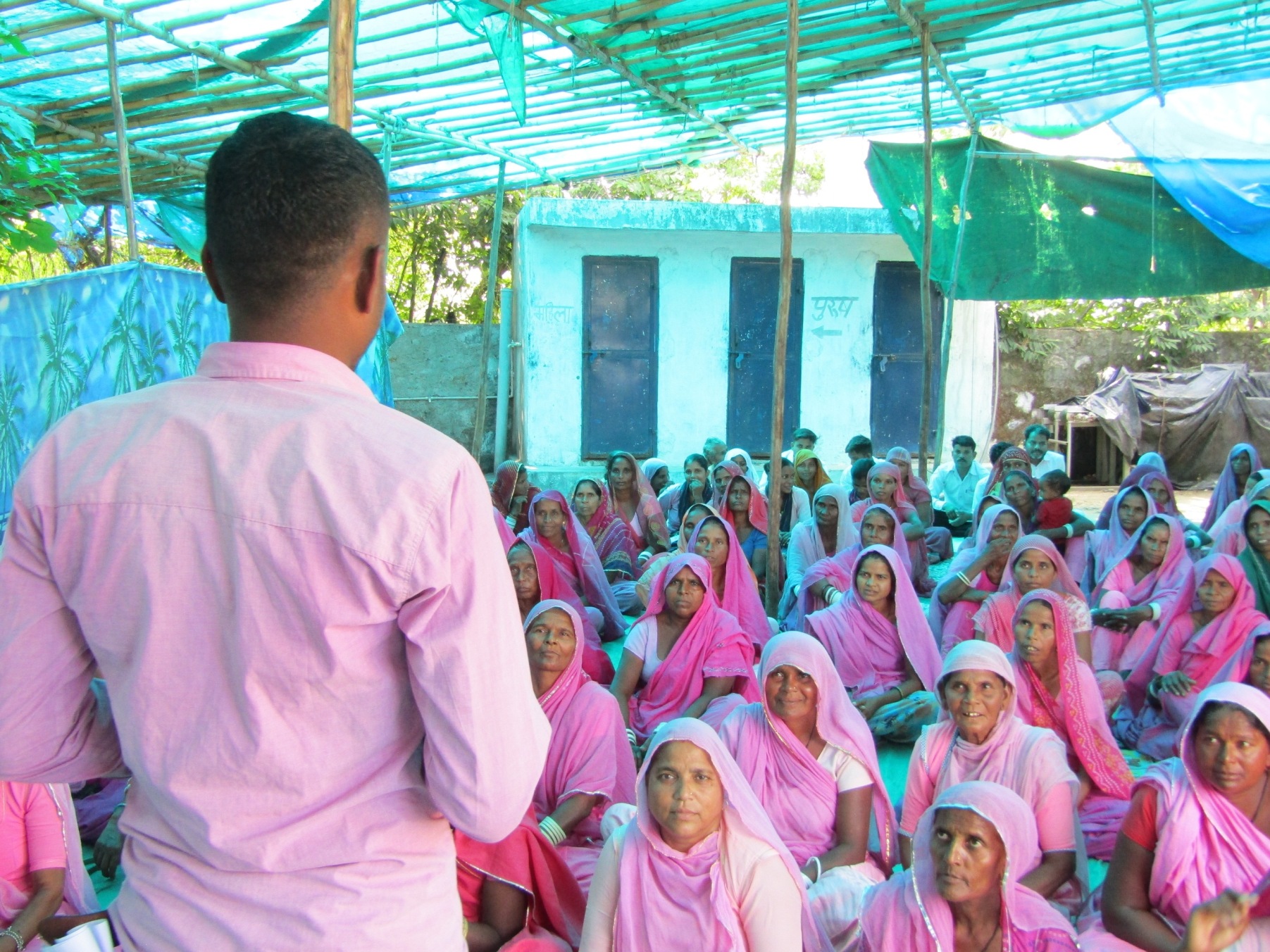
With NABARD support, 120 members received 15-day MEDP training on value addition of custard apple pulp, jamun pulp, ber sticks and herbal gulal — enabling an additional ₹30,000–40,000 annually.
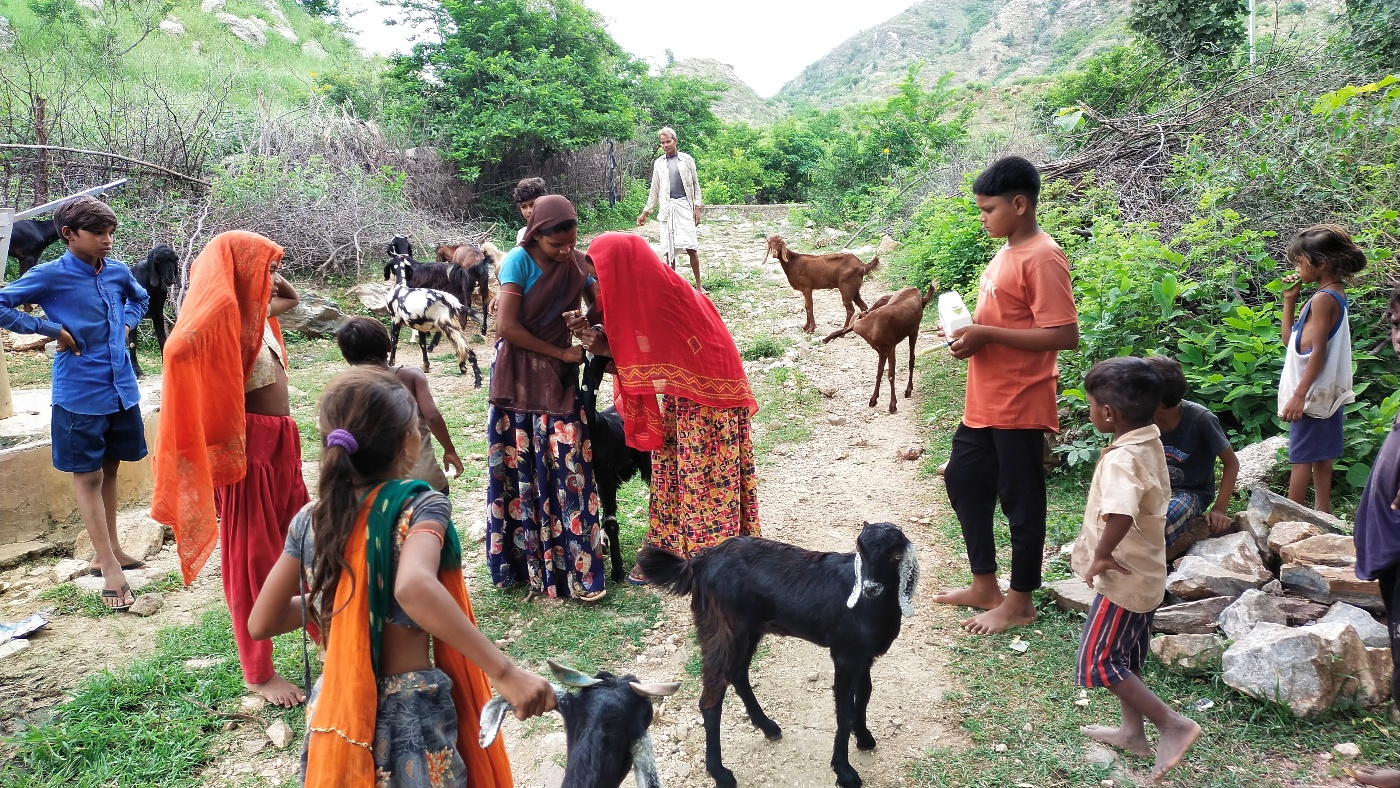
120 members completed 10-day LEDP training on goat disease management, mortality reduction, buck weight and hygiene. Mortality dropped from 25% to 15%; average goat weight rose 5–7 kg; rearers gained about ₹12,000 more income yearly.
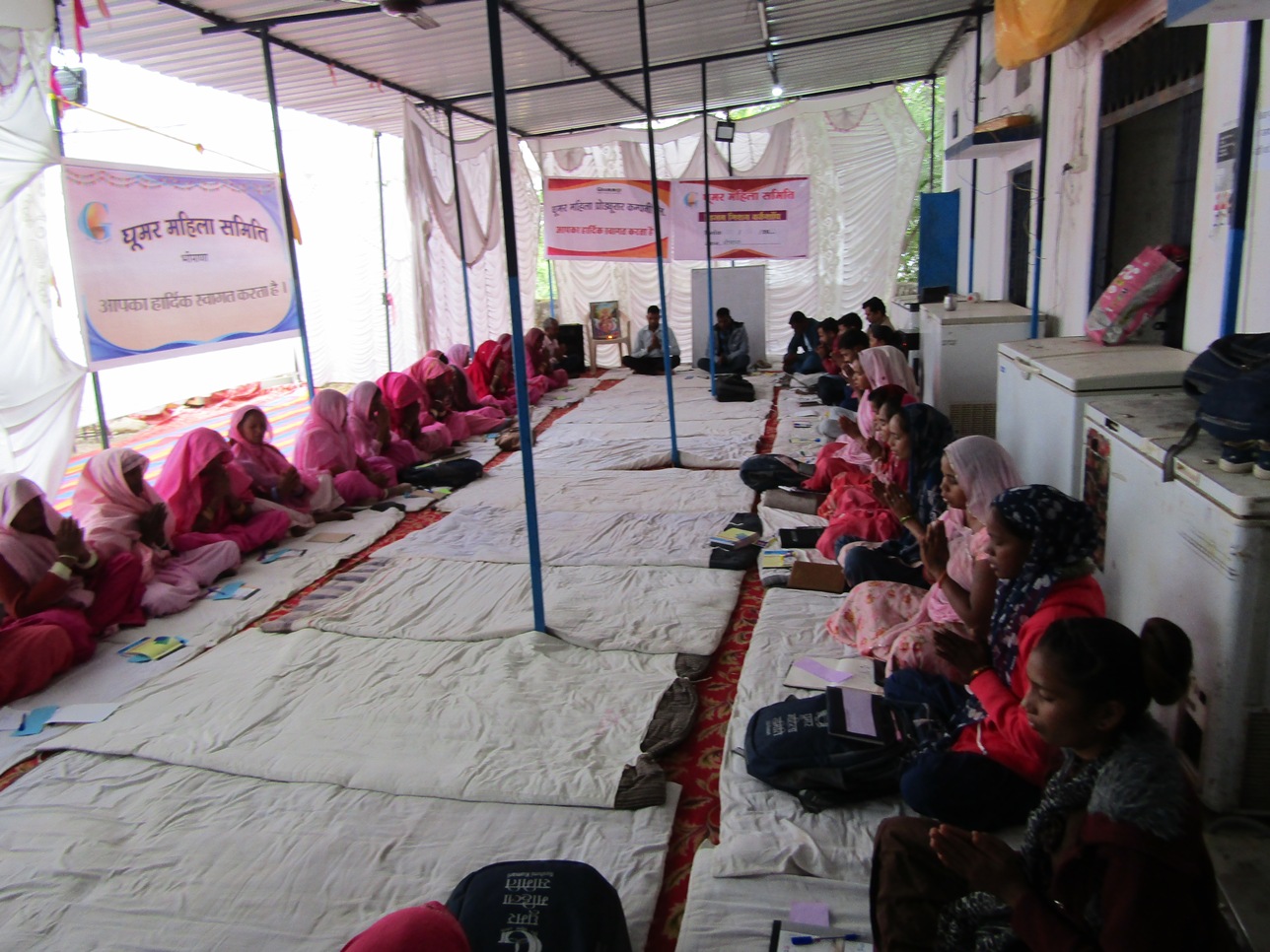
Twenty-five members completed online training in product marketing and e-commerce — covering digital marketing, social media, online sales, analytics and customer relationship management.
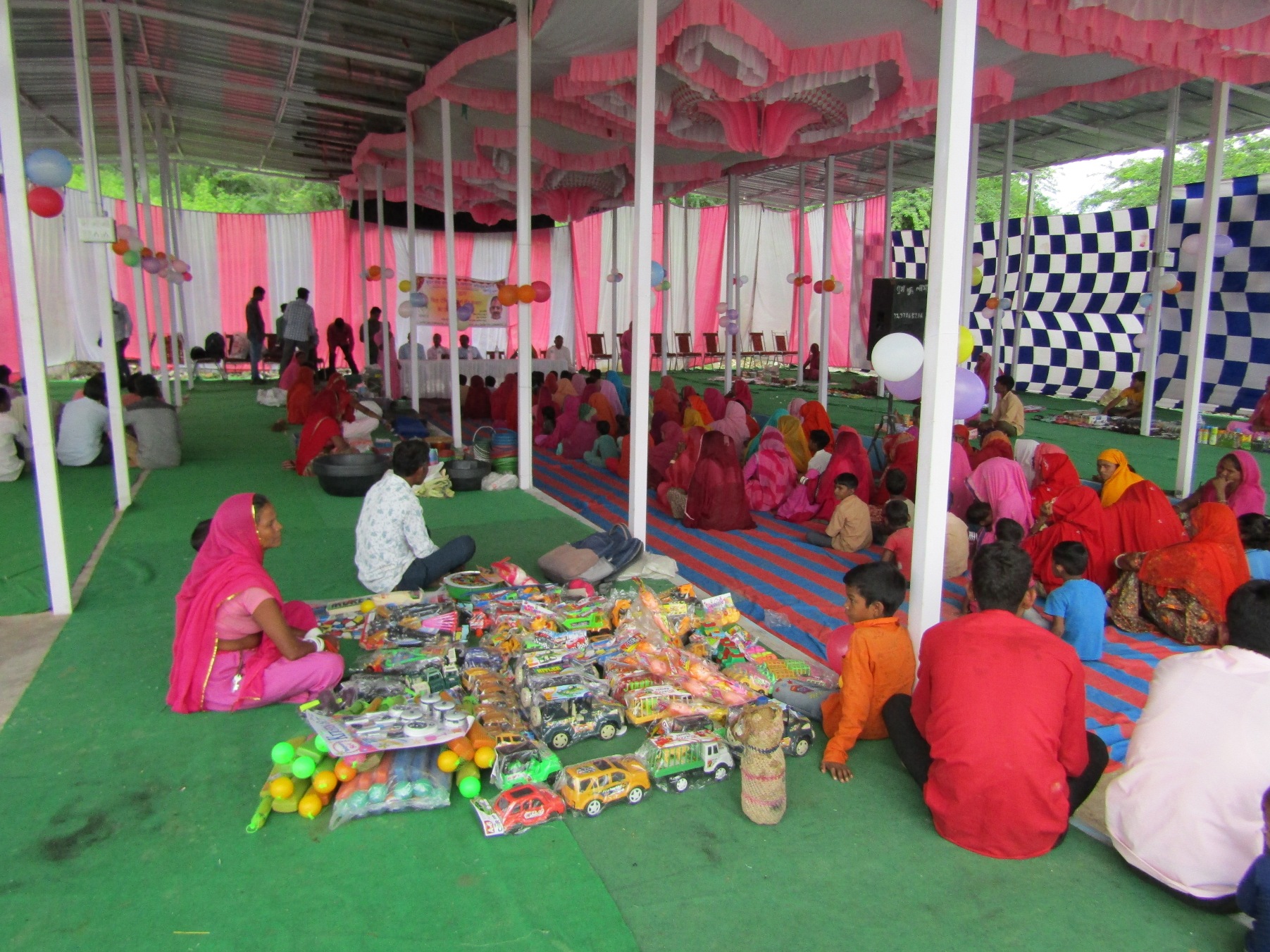
NABARD and SRIJAN established a Rural Haat in Koyalwav for monthly vending. On International Women's Day, an RMGB-supported Business Correspondent point was set up there to boost women's financial inclusion.
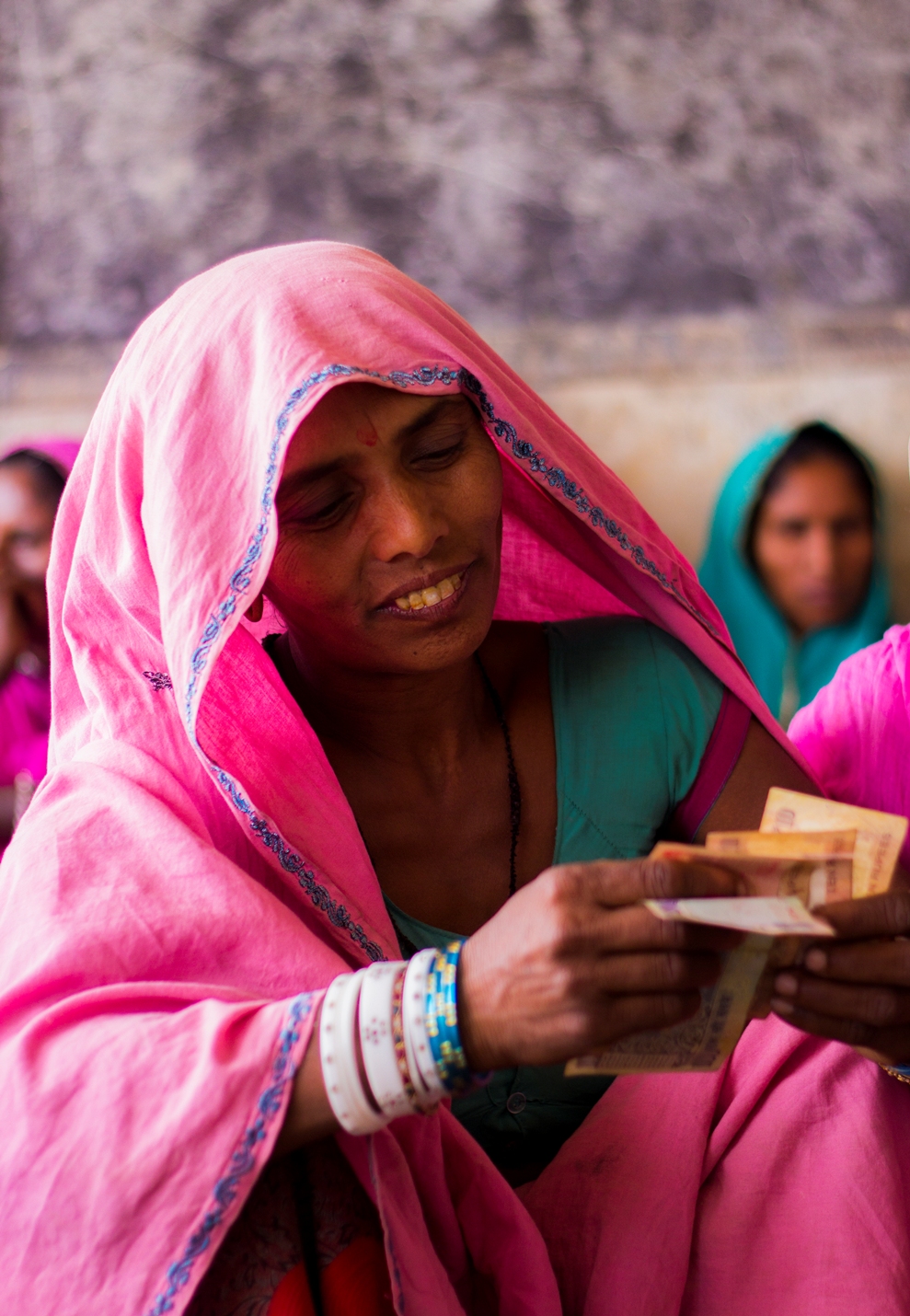
All livelihood payments go to women's savings accounts. About 1,000 women have been enrolled in social security schemes such as PMJJBY and PMSBY, strengthening financial security and access to essential benefits.
Measurable change led by tribal women across Bali block and neighbouring villages.
Tribal communities hold knowledge, resources, skills and enormous potential. Our role is to bring these strengths together, create opportunities, and support women-led institutions that last.
Awards, partnerships and public appreciation that reflect the strength of tribal women-led change.
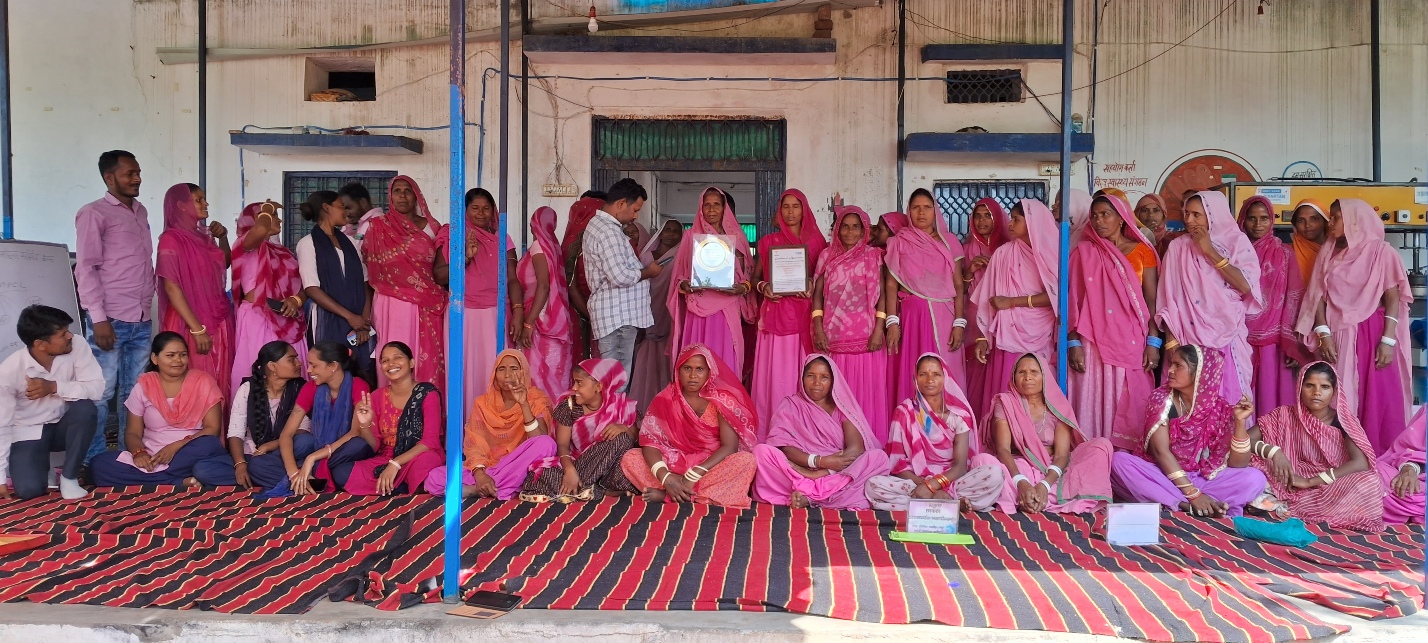
The FPC was honored with the "Best Federation-Run Enterprise" Award, highlighting its exceptional contributions to community development and sustainable livelihoods. This award acknowledges Ghoomar FPC’s relentless efforts in empowering tribal families through innovative enterprise models and sustainable practices. As a token of appreciation, the FPC was also awarded a cash prize of ₹1 lakh. This recognition serves as a testament to the dedication and hard work of Ghoomar's members and their commitment to transforming lives in tribal regions. The award ceremony provided an excellent platform to showcase the FPC’s impactful initiatives and connect with other leading organizations. It further reinforced Ghoomar's reputation as a pioneering institution driving change through collective efforts and innovative enterprise solutions. This accolade not only motivates the team to continue striving for excellence but also inspires other federations to adopt similar community-driven approaches.
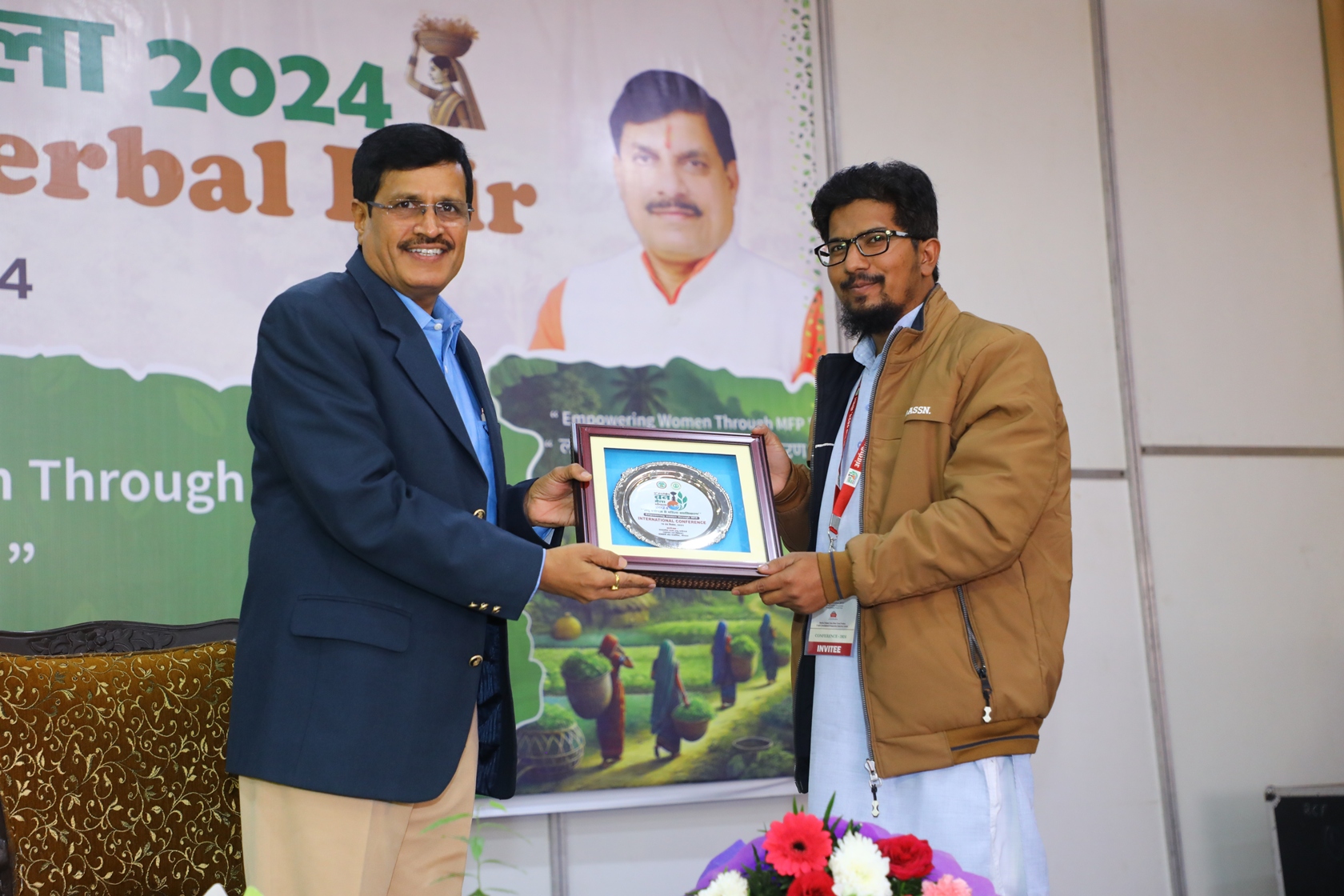
On December 20, 2024, Ghoomar Mahila Samiti proudly participated in the prestigious International Herbal Fair 2024, organized by the Indian Institute of Forest Management (IIFM), the Madhya Pradesh Government, and the MFP Federation. Representing Ghoomar, Mr. Saddam Husain and Mr. Jitendra Kumar Meena showcased the organization's impactful work in promoting sustainable livelihoods and empowering tribal communities. Mr. Saddam Husain delivered an engaging speech that captivated the audience and confidently addressed rapid-fire questions, highlighting Ghoomar’s initiatives and achievements. In recognition of his exceptional contributions to improving the lives of tribal communities in Rajasthan, Mr. Saddam Husain was honored with an award by the Madhya Pradesh Government. This recognition underscores Ghoomar’s dedication to community empowerment and inspires us to continue fostering sustainable and inclusive growth in marginalized regions.
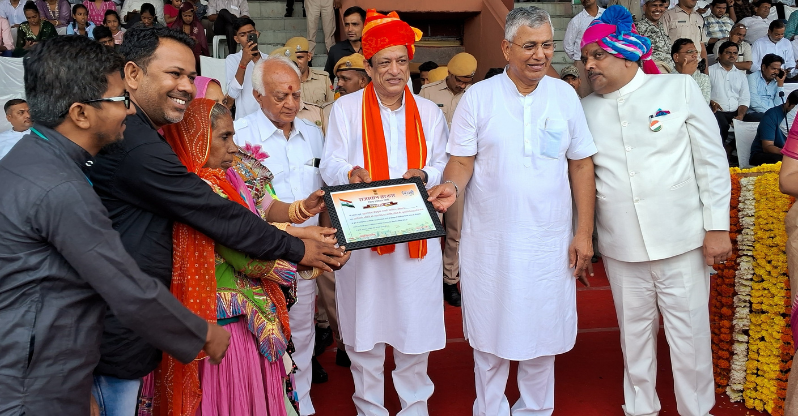
On August 15, 2024, Ghoomar Mahila Producer Company received a prestigious honor from the District Collector of Pali, Mr. L.N. Mantri, who presented the organization with an “Appreciation Seal”. This recognition was awarded for Ghoomar’s exemplary work in uplifting the tribal communities of the region. The acknowledgment highlighted Ghoomar’s multifaceted efforts in improving the livelihoods of tribal families. By creating sustainable income opportunities through the production and marketing of Non-Timber Forest Products (NTFPs) and other value-added goods, Ghoomar has significantly enhanced the economic stability of these communities. Beyond economic empowerment, Ghoomar has been a catalyst for social change, raising awareness among tribal families about their rights and entitlements. Through regular workshops, Gram Meetings, and interactive sessions, Ghoomar has educated the community about government schemes, legal rights, and the importance of self-reliance. This dual focus on livelihoods and rights awareness has empowered tribal families to take charge of their futures, fostering a sense of dignity and independence.
Follow our journey, field stories and community voices on social media.
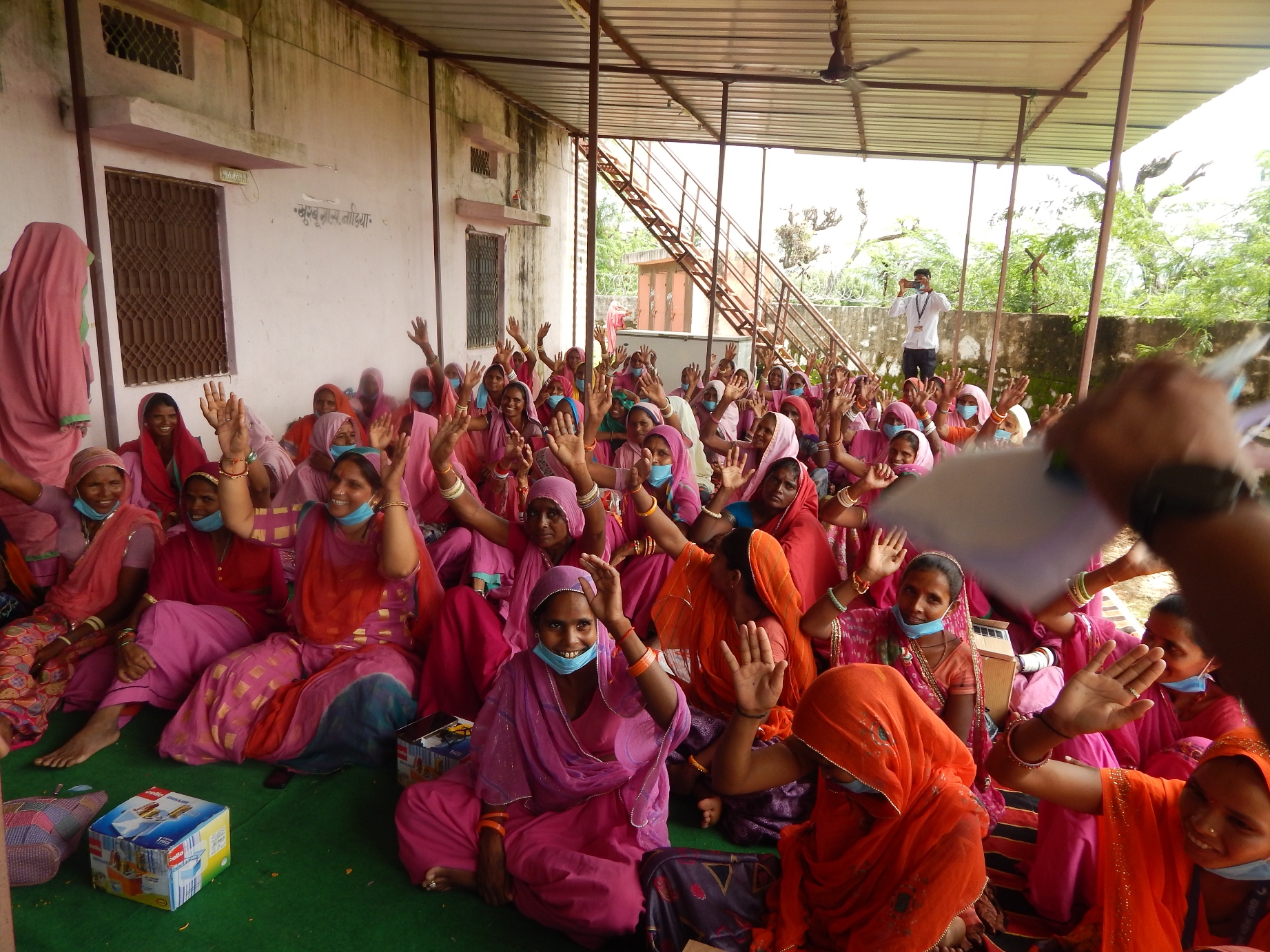
Community meetings, livelihoods, forest produce and local markets — stories of women leading change.
Development is a collective responsibility. Support tribal women-led change in Pali and Udaipur.
Collaborate on livelihood, governance, health and community development programmes.
Contribute resources, knowledge, technology or expertise to expand opportunities.
Join grassroots work with tribal women and rural institutions.
Your contribution helps strengthen enterprises, education, health and financial inclusion.
Together, We Can Create Sustainable Change.
Your contribution helps expand opportunities for tribal women and rural communities across Pali and Udaipur.
Secure payments via Razorpay (UPI, cards, netbanking).